


Way back in the before times of 2018, Ayanna Howard joined us onstage at our Robotics event to discuss human-robotic interactions, along with UC Santa Cruz’s Leila Takayama and Veo Robotics’ Patrick Sobalvarro. Plenty has changed since then — both for Howard and, you know, just in the world, generally — so it seems as good a time as any to catch up.
At the time, Howard was the chair of Georgia Institute of Technology School of Interactive Computing in the College of Computing, and the founder and director of its Human-Automation Systems Lab (HumAnS). Last March, she made the move to Ohio State University, where she serves as the Dean of its College of Engineering.
It’s the latest addition to an already impressive resume that also involves a long stint at NASA’s Jet Propulsion Laboratory and the founding of Zyrobotics, a mobile therapy and educational startup for children with special needs that spun out of her work with K-12 students will at Georgia Tech.
Howard is also an IEEE Senior Member and, in 2020, co-founded Black in Robotics, an organization designed to “[bring] together a global network of Black Roboticists, Allies, and Organizational Sponsors contributing to the goal of enhancing diversity, inclusion and equity in robotics.”
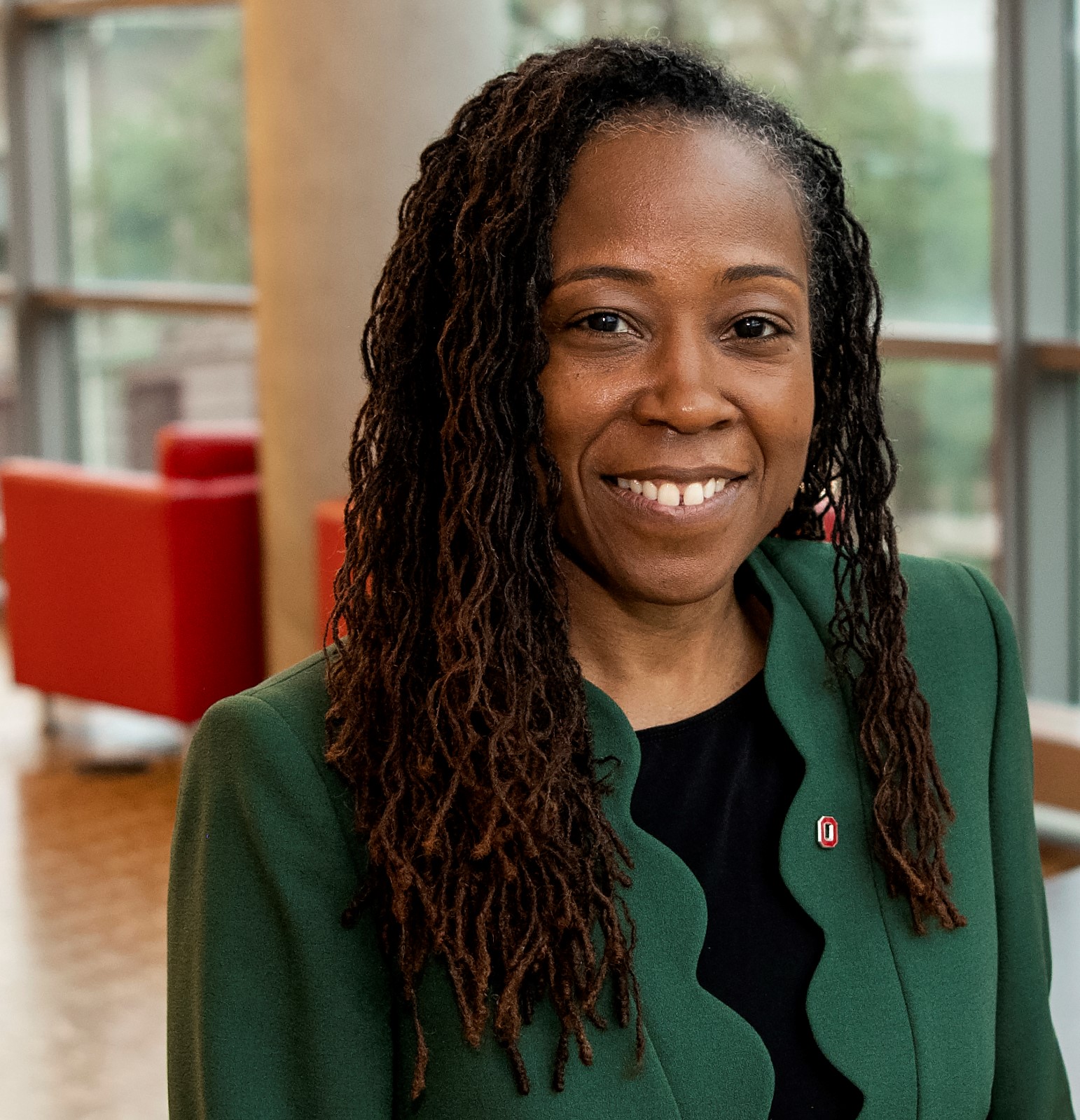
Ayanna Howard. Image Credits: Logan Wallace/The Ohio State University
You were at NASA early on, but you’ve gone back into academics in a big way. What’s kept you in that world?
One is the students. It’s not just the next gadget, it’s that I’m training the student that will make the next gadget and multiply that by 10,000. By feeding it to students, I actually amplify the knowledge that I have in my head and my experience. The other thing is that fundamental research is still allowed outside the boundary condition. I love NASA, but our function was very specific: exploration. If I want to do something like figuring out how to design technology for eradicating cancer — as an academic, you can do anything. You can be a material scientist and decide, ‘you know what? I think I want to study genomics,’ and just do it.
What were some of the big ideas you were interested in focusing on?
When I first entered academia, actually, the first project that I led was SnowMote. It was science-driven robotics and was funded by NASA. It was looking at our hazardous environments on Earth. So, glaciers, working with scientists to look at the ice shelves melting and collecting data from them. It was still very sciency. The difference was, my budget was much smaller and my engineers were students. But I realized as I was doing that project and really focused on addressing problems for Earthlings, that I like doing things to better our planet. The healthcare robotics really came out because I was thinking about what we can do with robotics in the space, and my thesis was to focus on healthcare.
What has your experience been like on the startup side of things?
I actually have my own startup. It’s a nonprofit now, but it licensed technology from Georgia Tech that was focused on assistive tools for children with special needs. Children primarily with motor disabilities, but also sensory processing disorders, some aspects of language, speech disorders. It was tactiles, as well software, and we did actually have a robot, right before COVID and the supply chain issues.
Now that you’re at Ohio State, what the school’s relationship with accelerators, incubators and otherwise fostering startups?
We’re ramping that up. There’s a couple of really big initiatives at the university level that involve the College of Engineering. And as an example, President [Kristina M.] Johnson established Buckeye Accelerators. Think of it as a pitch competition. Anyone can apply. They had so many students, they narrowed it down to 100, then down to eight. They’ve given each of the eight student teams $50,000 to do prototype development, matching them with mentors and things like that. In engineering, we actually have a representative that’s with the university that helps us do IP translation.
One of the things you’ve played a key role in over the past couple of years is launching Black in Robotics.
During the summer of 2020, when we had all of the protests of the George Floyd murder, there were a lot of conversations about everything. There was a webinar that was hosted around robots and racism in general. I didn’t participate in that, but after, what happened was some of the people who participated said, ‘we need to have a conversation, because of things that some of the students said professionally.’ And so that conversation was basically senior roboticists that were in the field came together to talk about it.
[…] Black in Robotics really came to address inequities, specifically among black roboticists, but also underrepresented populations, to have the conversation and actually impact and affect change.
More information on that organization’s work can be found here.
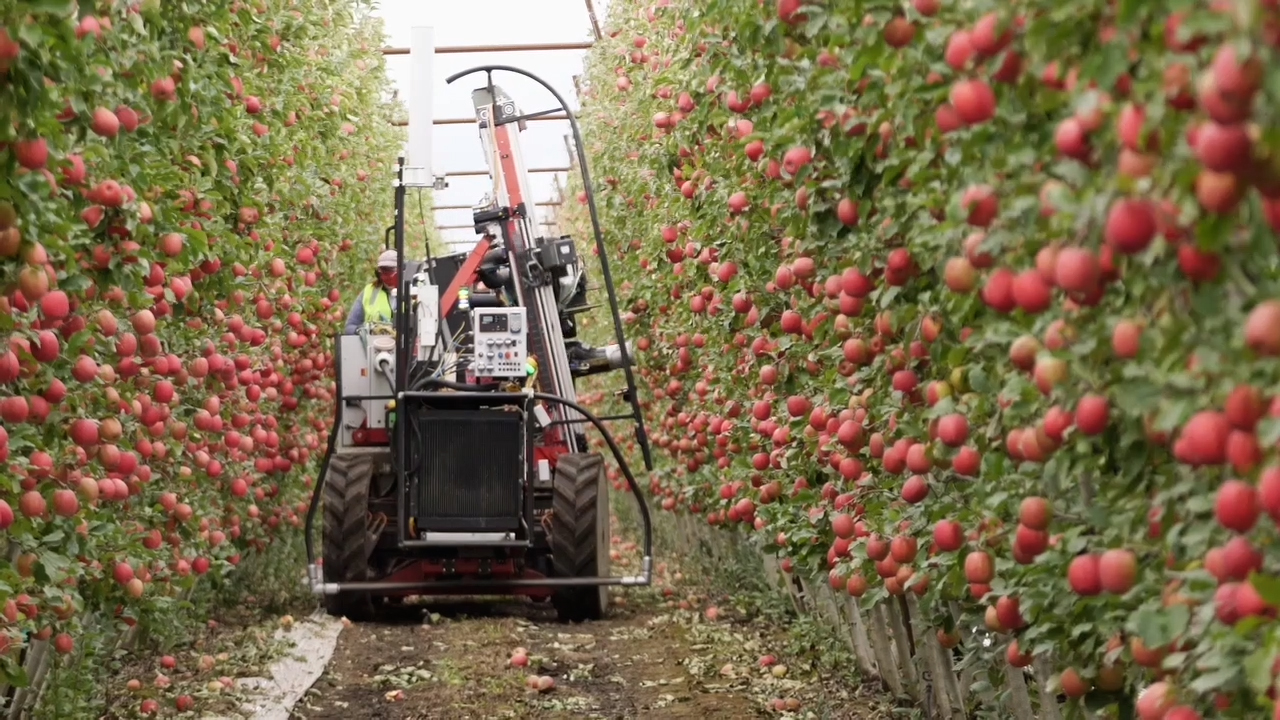
Image Credits: Abundant Robotics
This young month is already bringing some interesting news around the world of robotics. Following the purchase of its IP last year, plans have finally been laid out for the resurrection of Abundant Robotics. As I mentioned when the firm first went under, its closure was a surprise — not because robotic startup failures are entirely uncommon, but rather because things seemed poised for success in agtech robotics.
The startup’s new parent, Wavemaker Labs, has launched an equity crowdfunding campaign in hopes of relaunching the apple-picking robotics brand with a fresh $20 million seed. As for Abundant’s previous issues, says new CEO Buck Jordan:
We saw great value in the breakthrough technology Abundant Robotics had developed so far, including its computer vision and machine learning applications; however, the protype was overly engineered and expensive to produce. Using the acquired IP, software product and a proven team that knows how to bring products to market at a cost that makes sense, we will use the funds to re-engineer a fully functioning prototype at a fraction of the current build cost, as well as to conduct business development and fundraising efforts.
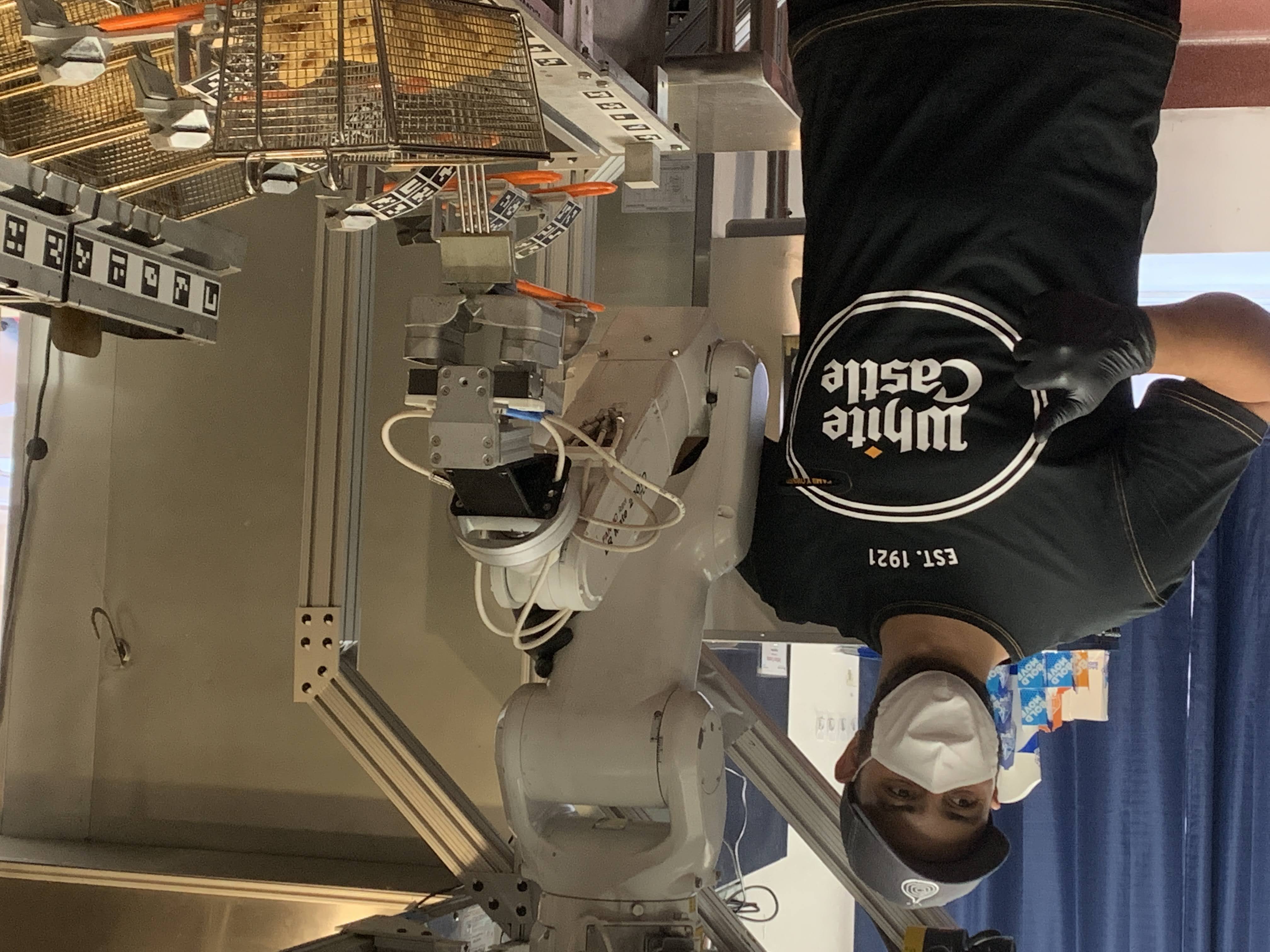
Image Credits: Miso Robotics
Fellow Wavermaker firm Miso Robotics also announced that it’s seeking more funding, with plans to raise a $40 million Series E.
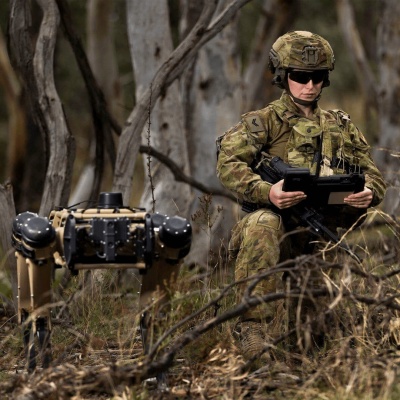
Meanwhile, the story of Philly’s Ghost Robotics gets another wrinkle. The company made waves last year after images surfaced of its quadruped robots sporting a remote-operated sniper rifle. The company has made no bones about its work with the U.S. government, and this week, the Department of Homeland Security announced that it’s looking at Ghost’s legged robots to potentially patrol the southern border.
“Technology such as semi-autonomous drones (air, ground, and even water) are used effectively as force multipliers elsewhere—and robot dogs are no different,” the DHS’s Brenda Long said. Personally, I would probably try to disassociate these robots from the government’s historic use of drones, but maybe that’s just me.
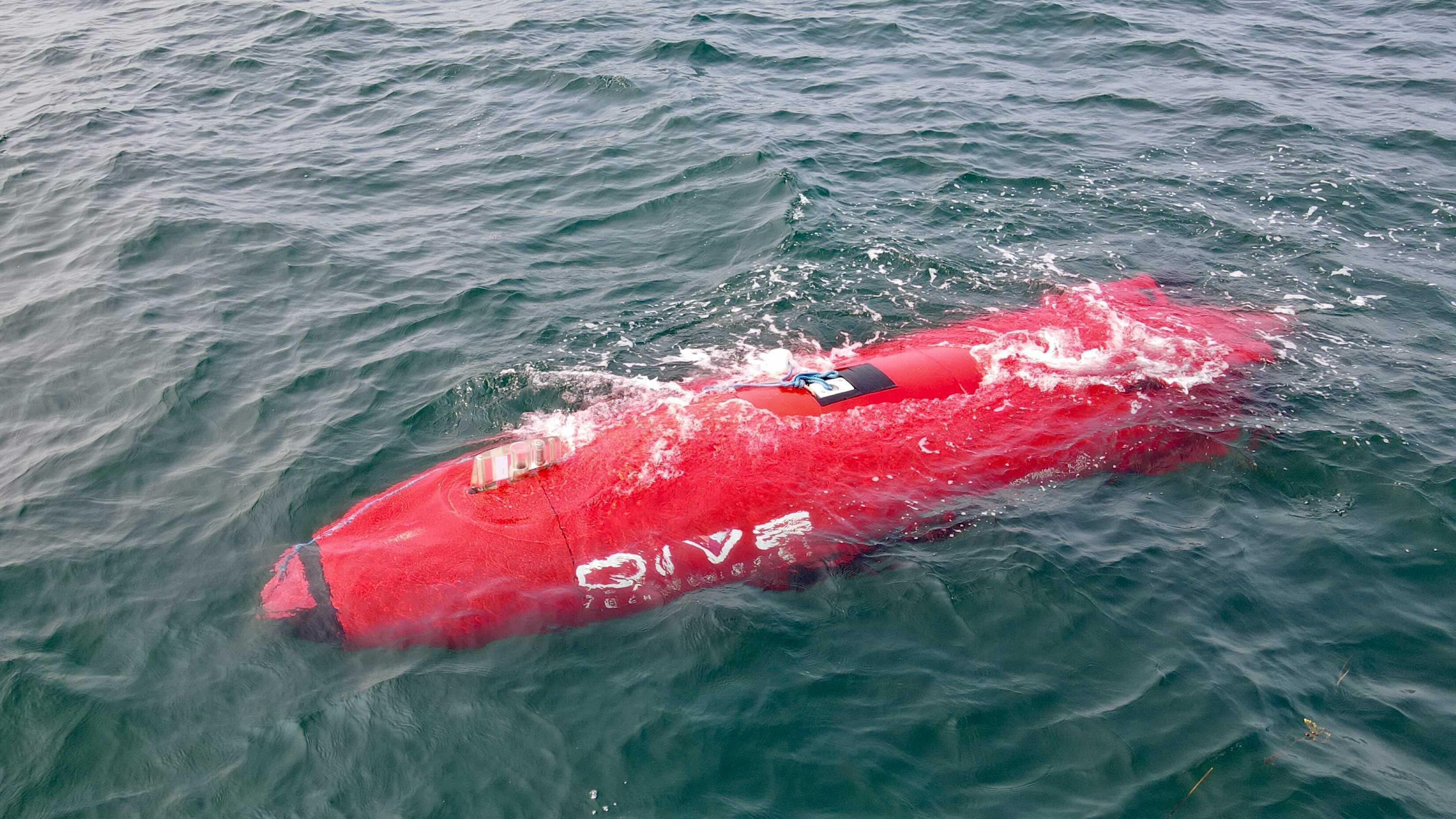
Image Credits: Dive Technologies
Speaking of robotic defense, Palmer Luckey-founded Anduril this week announced that it has purchased Dive Technologies, a Boston-based producer of autonomous underwater vehicles. Anduril cites a bunch of different uses, including, unsurprisingly, military/defense applications, including, “long-range oceanographic sensing, undersea battlespace awareness, mine countermeasures, anti-submarine warfare, seabed mapping and infrastructure health monitoring.”
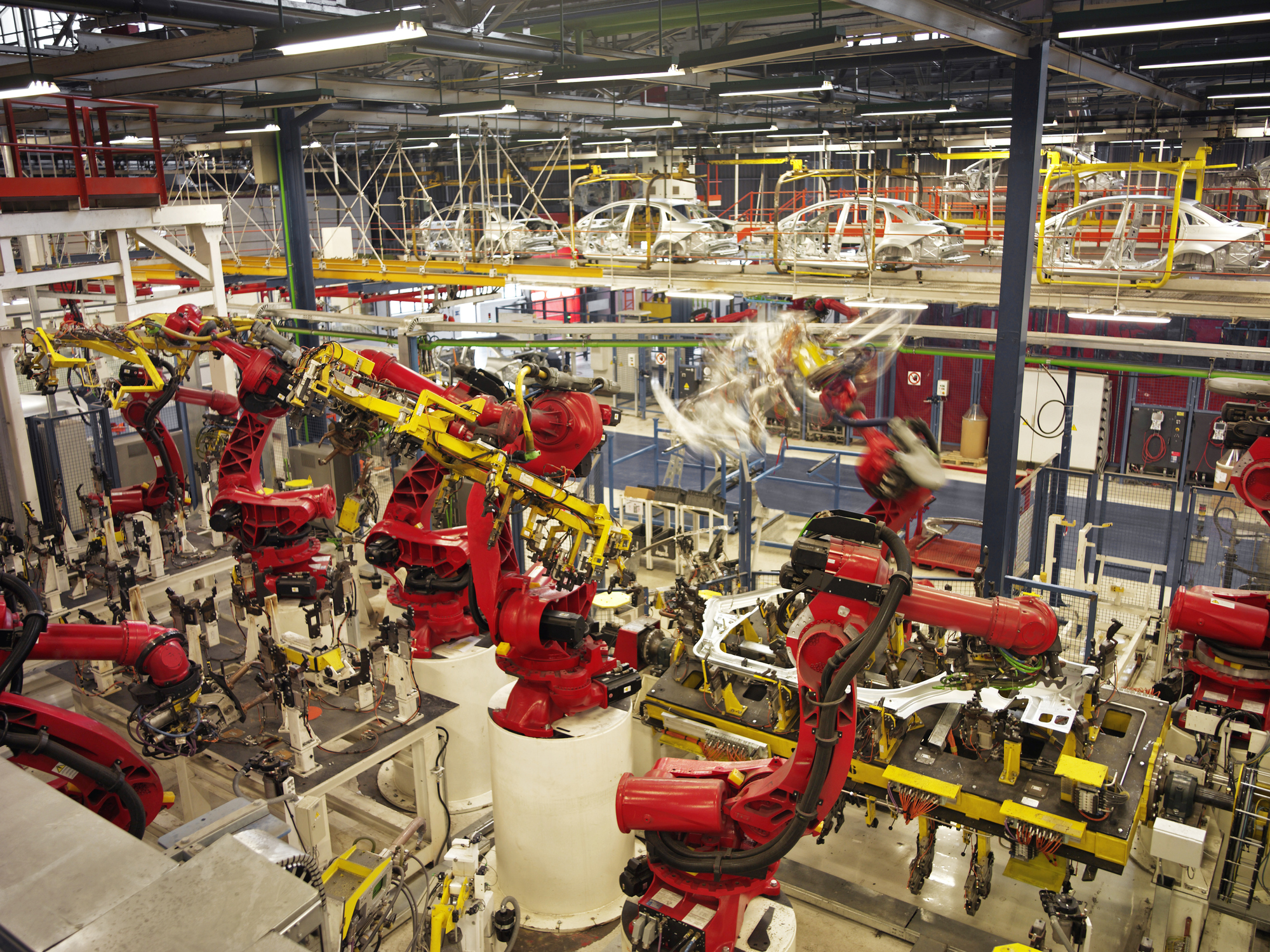
Robotic arms on duty in a car factory. Image Credits: gerenme / Getty Images
This week we got our best look yet at Viam, a firm created by MongoDB co-founder and former CTO Eliot Horowitz. The news arrives as it announces a $30 million round, led by Tiger Global. The New York-based startup is looking to address a familiar problem: How do you actually go about deploying that fancy new fleet of robots. From the company’s site:
At Viam, we’re addressing these issues by building a novel robotics platform that relies on standardized building blocks rather than custom code to create, configure and control robots intuitively and quickly. We’re empowering engineers – aspiring and experienced – across industries to solve complicated automation problems with our innovative software tools.
Bringing us back around to medical robotics, where we (kind of) started this week with new research from Johns Hopkins. The school says its Smart Tissue Autonomous Robot (STAR) system completed laparoscopic surgery on pig tissue without human guidance. Such research could go a ways toward the end goal of democratizing access to advanced surgical procedures using robotics.

Image Credits: Bryce Durbin/TechCrunch
Happy belated Groundhog’s Day. Survive this elongated winter by signing up for our free weekly robotics newsletter.
Credit: Source link