Rail networks have long been considered one of the most efficient freight systems in the world, yet their energy architecture has remained largely unchanged for decades. Diesel continues to dominate, not because of preference, but because alternatives require enormous upfront infrastructure investment.
Voltify is betting that this mismatch between economic reality and climate ambition is finally breaking.
The company announced a $30 million seed round co-led by Aleph and Fortescue, with participation from strategic investors and angels. The funding will support deployment of its distributed rail electrification platform across early commercial pilots and infrastructure corridors.
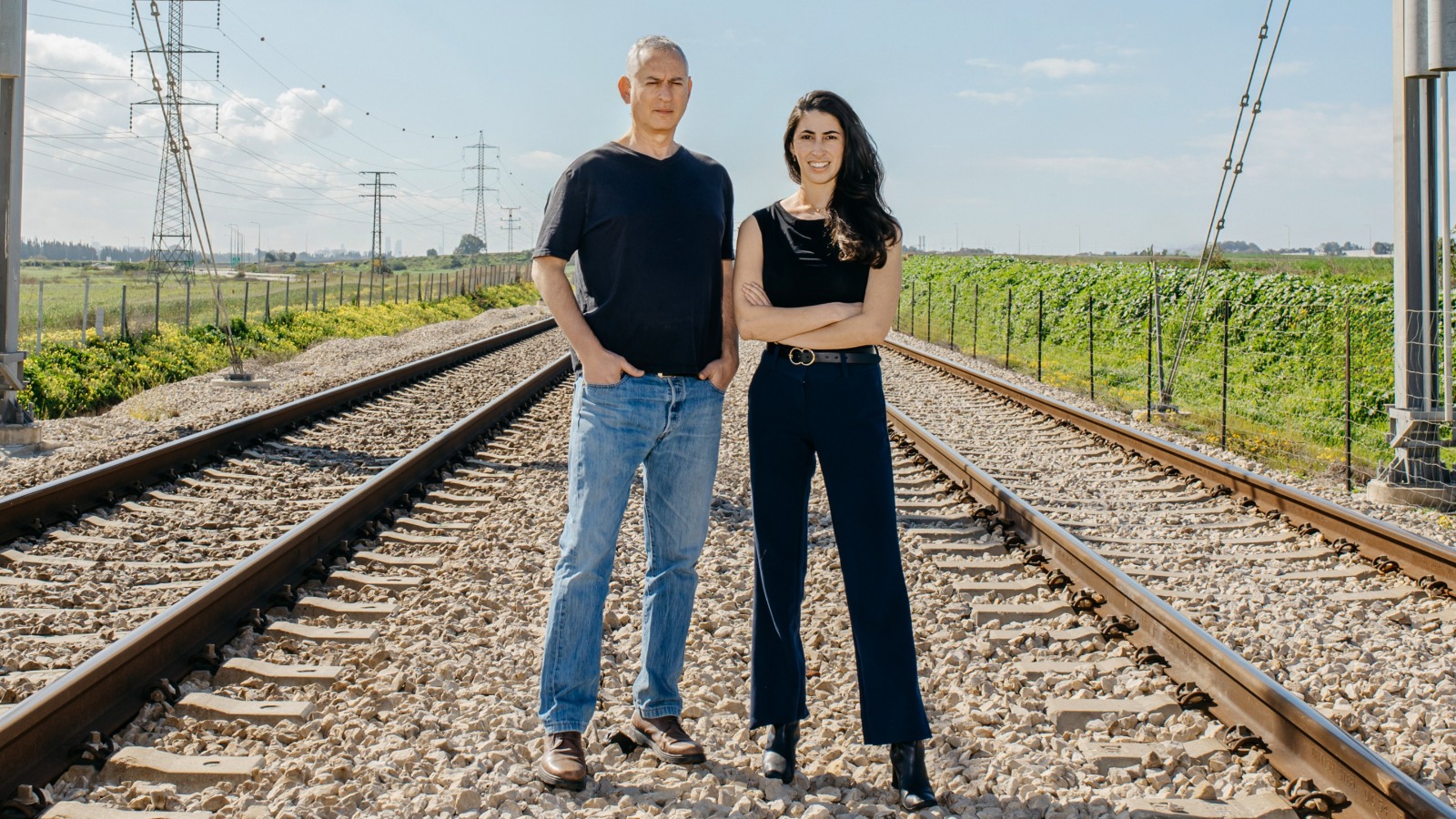
Founded by Dafna Langer and Alon Kessel, Voltify is building what it calls a “rail-native energy network” designed to bypass traditional electrification constraints entirely.
The Economics That Block Electrification
In North America, freight rail operators collectively spend roughly $11 billion per year on diesel fuel. Yet full electrification would require more than $1 trillion in infrastructure upgrades, largely driven by overhead wiring systems and grid expansion.
That gap has created a structural stalemate in rail decarbonization.
Voltify’s approach targets that gap directly by reducing energy costs by more than 20% without requiring physical overhaul of rail infrastructure or operational changes.
“We built Voltify to solve one of the rail industry’s biggest challenges: energy costs,” said Langer, Co-founder and CEO of Voltify. “Our platform allows rail companies to access clean, affordable energy without changing the way they operate. If you can reduce energy costs by even 5%, it’s huge. If you can reduce them by more than 20%, it becomes transformative.”
Moving Energy Instead of Moving Wires
Rather than electrifying rail lines, Voltify electrifies the movement itself.
Its system integrates battery-powered locomotives with dynamic fast-charging technology and distributed renewable microgrids positioned along rail corridors. These microgrids are designed to generate and store energy locally, minimizing reliance on centralized power systems.
Unlike traditional electric rail, trains do not need to stop for charging, nor do they require continuous overhead infrastructure.
“Importantly, the company’s model removes the so-called “green premium. Our goal is to lower energy costs by over 20%; this is not just the diesel costs, but all the next energy that the industry needs,” Langer said. “Rail companies shouldn’t have to choose between sustainability and economics. We’re making clean energy the financially smarter option.”
Industrial-Scale Decarbonization Backing
Investors see Voltify as both an infrastructure play and a decarbonization lever.
“Voltify is redefining the energy supply chain for global rail networks”, said Tomer Diari, General Partner at Aleph. “Their electricity-based solution will help rail operators dramatically reduce costs, pollution, and dependency on diesel, and make transporting goods in the US cheaper and more reliable for everyone.”
Fortescue highlighted alignment with its broader “Real Zero” strategy.
“Fortescue is committed to investing in the research and development of innovative technologies to drive Real Zero and accelerate decarbonisation across our operations and beyond. Voltify’s mission to eliminate emissions in the heavy rail industry aligns with ours at Fortescue, and we’re encouraged by the solutions they are working on,” said Gus Pichot, CEO Growth & Energy at Fortescue.
Early Commercial Momentum
Voltify has already secured a paid pilot with a major Class I rail operator, with deployment expected in the coming months. Additional interest is building among regional rail companies across the United States.
The company expects to demonstrate its full integrated system later this year, signaling its transition from concept to operational testing.