
I am an avid promoter of Chinese influence on the world internet. In particular, when we talk about Russia. In my opinion, Alibaba corporation alone has done more for the rapid development of the Russian internet than any local independent and governmental
associations.
Alibaba is faced with very personal political repression with very pessimistic consequences.
So I want to take time to remember how this corporation single-handedly changed the world in general, and the Russian internet in particular.
AliExpress went local in Russia in 2014. From now on this Alibaba company boosted marketing tricks that were showered on customers non-stop, and not only on special occasions. Cashbacks, flash sales, hot deals, live-streams, 3D shopping, VR try-on, virus
videos and games, influencers, lotteries, shopping social networking, etc.
Cashback
It might be bold to say, but anyways. Russians fell in love with cashback for purchase because of AliExpress. AliExpress cashback became a sponsoring channel for a variety of CPA businesses from Letyshops to Backit (ex ePN cashback). Shopping-savvy Russians
learned where to buy stuff, when to buy and which system to use.

(Screenshot from aliexpress.ru)
Flash sale
Also known as fast deals, hot deals, etc. This is a short-term sale that lasts hours and applies to chosen items. For a couple of years, flash sale was the signature marketing trick of the Chinese brands that flooded the Russian market. Le Eco, Xiaomi, Fly
were all promoting their gadgets this way. Now every local marketplace from Ozon to LaModa does it.

(Screenshot from market.yandex.ru)
Live-stream
The Chinese e-commerce phenomenon with a
$60 billion valuation did not catch up with Russian e-commerce immediately. For years AliExpress might have been the only one to propagate the shopping spirit through the eyes of influencers and live demonstrations. However, now most major local marketplaces
(Ozon, WildBerries, Yandex.Market) are on the wagon. The Russian market still has a
long way to go. 5 years more or less in my opinion, as Russia has always been just a few years behind Chinese development in e-commerce.

(Screenshot from ozon.ru)
Marketplaces
The marketplace model existed in Russia before Alibaba’s arrival. However, it was AliExpress notable growth and local seller recruiting spree that initiated the marketplace craze.
Suddenly every major retailer tried to launch a marketplace and attract foreign sellers: Chinese, Turkish, European, Korean, etc. Yandex tried not one but 2 marketplaces, one for the foreign sellers (Bringly), another one for the Russian ones (Beru). Ozon
approached the rethinking of the model several times. Even Avito, the classifieds, was there. Not to mention WB and many others.
At the same time, there was a competition arriving in Russia from more Chinese marketplaces (JD, Shein, DHGate). Large brands and sellers tried building a presence here, impressed by the sales numbers that AliExpress brought them. Russian brands and sellers
were trying to export themselves. Honestly, it was both fun and messy. Now the wild is gone, the market defined its
leaders, and the marketplace model itself became a must-do shifting to other industries.

(Screenshot from marketplaces.moscow)
Online payments
Sale on Singles Day became the largest DDOS-like attack for the Russian acquiring banks, payment companies, issuing
banks, and even the mobile carriers. Unprecedented transaction surge was lethal for their systems in the first years before Ant Financial, the fintech arm of Alibaba, learned to handle the surge. Ant Financial has educated all local banks and payment companies
to set up the transactional anti-fraud rules, calculate the acquiring costs, to update, upgrade and optimize their IT infrastructure.
In the first years of the Singles Day rush in Russia, back when it was some unknown Chinese event and not the biggest e-commerce sale in Russia, Russian e-commerce experts looked at the aftermath in disbelief. How come one marketplace sales figure can be
comparable with the whole country’s market valuation? Could the Russian e-commerce market
be undervalued? Later on, pandemia proved that it was indeed severely underestimated.
Public desire to get cheap stuff from AliExpress boosted card acceptance, online payments, and mobile payments in no time. All the trust and generation habit issues were solved. Now according to some
estimates, Russia is on the top list of the card payment preference, ahead of many western countries.

(Source: Statista via tadviser.ru)
QR-code payments
The famous Chinese fintech technology was either propagated vigorously or completely ignored. Slowly but steadily QR-codes started to appear on Russian streets, fiscal checks, and cargo trucks. Then came the Chinese tourism wave, along with
Alipay and WeChat Pay as their guides. QR-codes started to appear in the stores and museums, wherever a foreign tourist could go. Finally, it was the utility bills and the QR scanner in every bank app that made it big. By the end of 2021, almost everyone
in Russia learned to scan and pay for a utility bill, leave tips through a QR-code on the restaurant check and show the vaccination proof through this technology. Russia might as well be the only western country where QR-code-based payments finally took off.
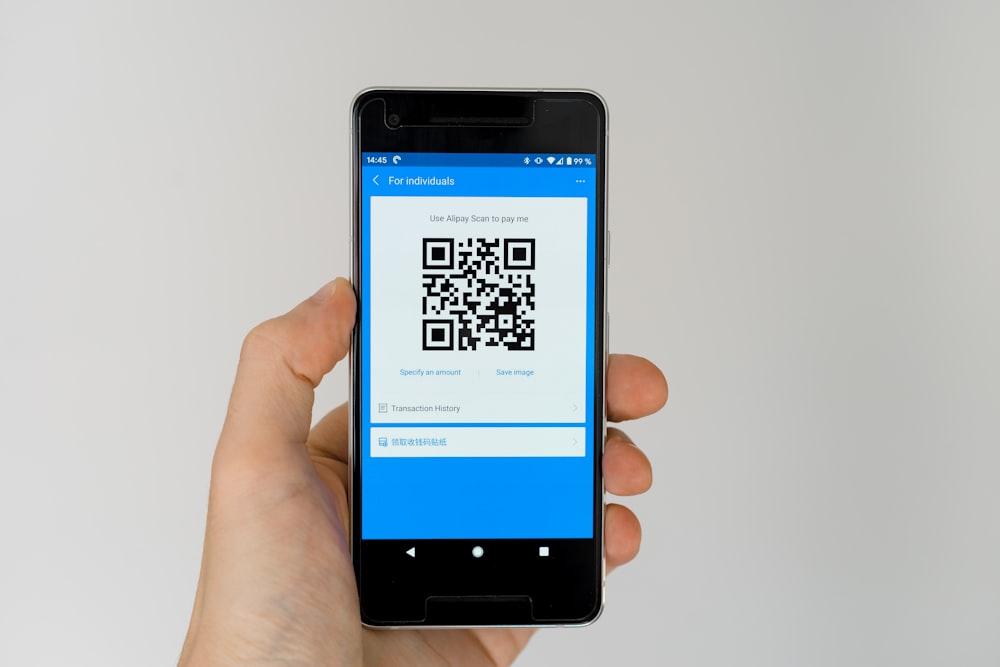
(Photo by Markus Winkler via Unsplash)
Cross-border logistics
Thanks to the Chinese products that were pouring into Russia, all the local logistics companies got more volumes, orders, and opportunities. Russian Post upgraded its systems and became one of the
most modern postal services in the world. A few years later, Alibaba’s logistics company Cainiao, went local in the country and set the
new standards for all.
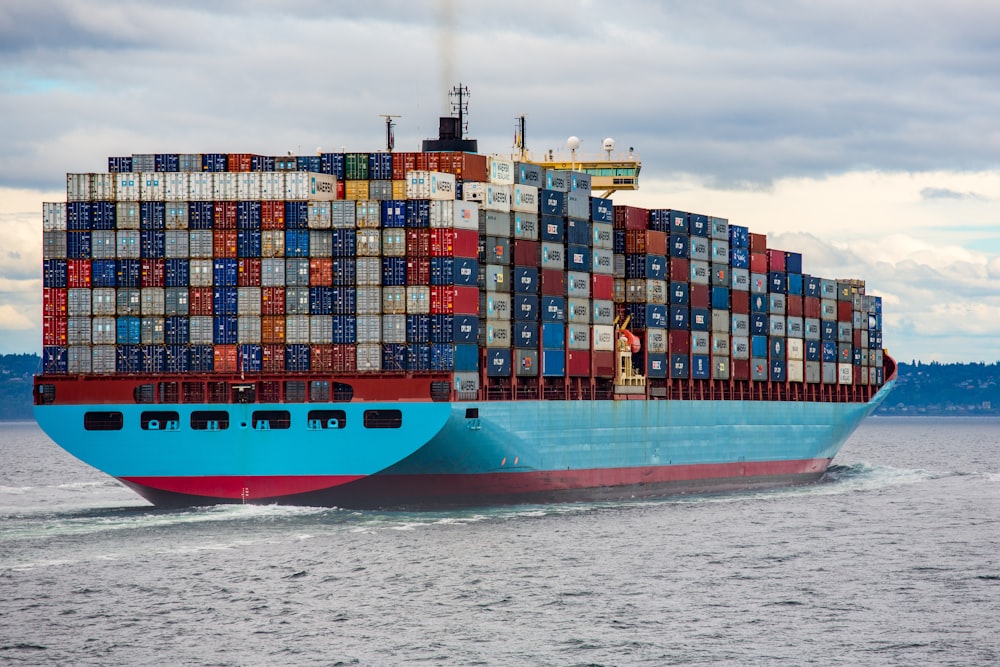
(Photo by Ian Taylor via Unsplash)
Super apps
Super apps like Chinese
Alipay and WeChat wonders quickly rolled out to all of Asia, stirring up the Russian internet community. A super app gold rush covered Russian banks and internet companies.
Tinkoff and
Sber denounced themselves as banks and declared themselves as ecosystems of various lifestyle services. Internet companies like
Yandex, Mail.Ru (now VK), or
Ozon started buying banks and building fintech arms. Nowadays you may easily find food delivery inside the taxi app, media articles in the banking app, a bank card on the marketplace.
Russian e-commerce and banking both alike fell in love with the Asian fintech. Way before the
western countries.

(Image by Kate Grevtseva via Behance)
Embrace the change
Accept the ever-changing nature of business priorities. This phrase is an actual Alibaba culture snippet that every Aliren or Alibaba employee should know. It touched more people in the Russian internet industries than you may think. Russian Alibaba company
employees, their partners — all these people migrated to other local companies bringing this valuable piece of mentality along with them. Embrace the change. Alibaba set the speed and the power behind Russian e-commerce and fintech rapid change.
Credit: Source link