One Prompt, Entire Campaign
There is a version of video marketing that most teams have never been able to afford. It involves dynamic content that shifts based on who is watching, personalization logic running underneath every frame, and production infrastructure capable of generating thousands of unique video variants from a single campaign brief. For most of the industry’s history, that version cost hundreds of thousands of dollars and required enterprise contracts to access.
Blings just collapsed it into a text box.
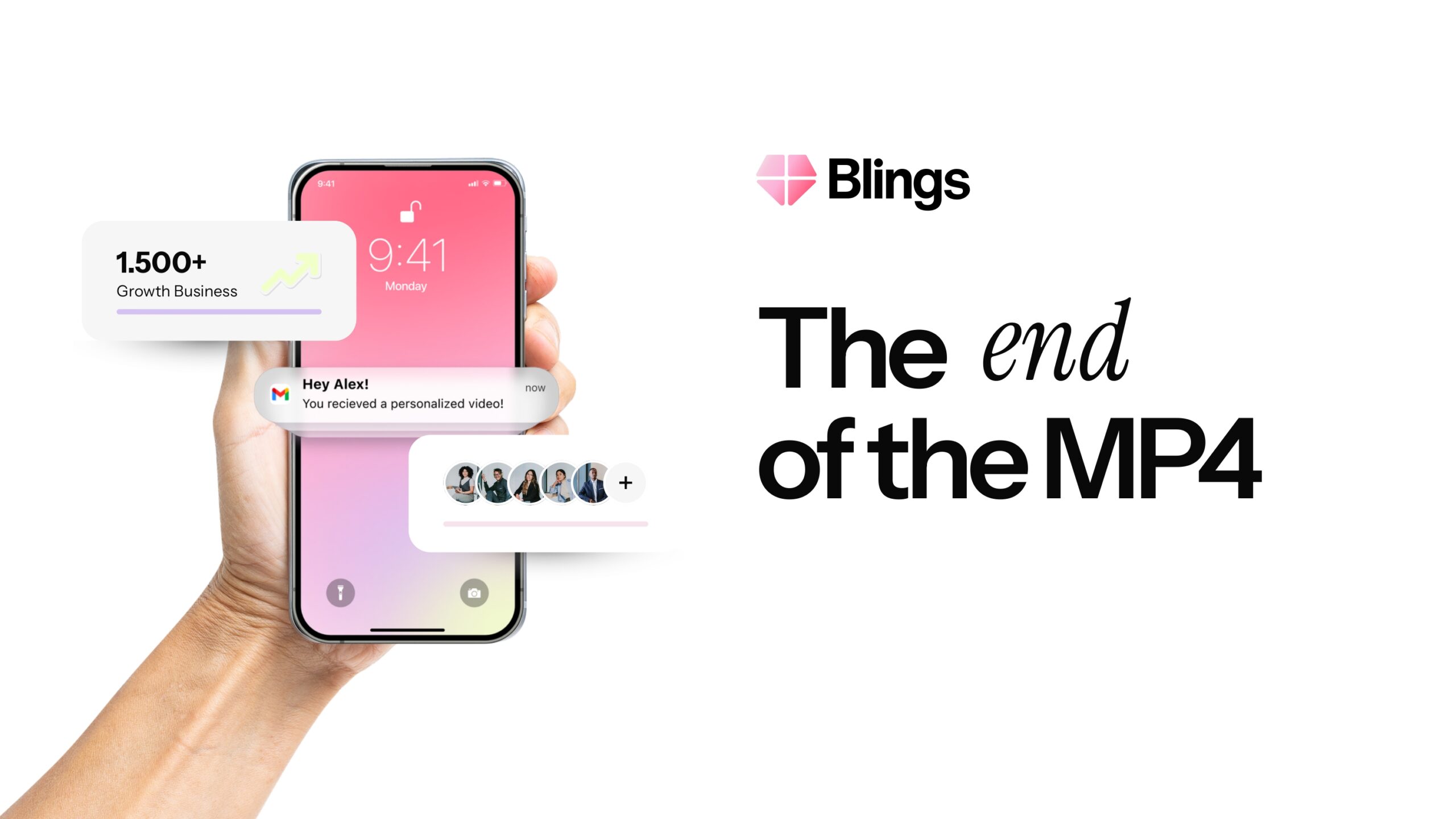
The company’s new Text-to-Smart Video Generator is now live, turning a typed campaign idea into a fully assembled, personalized video without requiring a production team, a creative agency, or a technical implementation layer.
The Stack That Disappeared
Understanding what Blings has built requires thinking clearly about what the conventional video marketing workflow actually involves. A campaign moves through concept development, scripting, production, post-production, and distribution, with personalization logic applied somewhere in the middle if the team has the resources to support it at all. Each stage carries its own vendor relationships, approval cycles, and potential points of delay. A campaign that takes four weeks from brief to deployment is not an outlier in that model; it is fairly standard.
Blings is making the argument that every stage of that process except the initial idea is now automatable. The Text-to-Smart Video Generator handles structure mapping, content assembly, and per-viewer personalization in a single pass, producing a ready-to-run campaign rather than a rough cut requiring further work. That output adapts to each recipient based on their individual data, meaning a retail brand’s post-purchase campaign can surface different messaging for different customers without any additional production work per variant. The system generates the variation automatically, at the viewer level, from a single campaign input.
Bringing Enterprise Infrastructure to a Self-Serve Model
The platform’s second major launch feature is the Auto-Brand Fetcher, which pulls a brand’s logo, fonts, and color palette automatically from a pasted URL. The feature is small in scope but significant in what it removes: the manual setup work that typically sits between a team’s first interaction with a new platform and their first usable output. Getting a campaign to look right before it can be deployed has historically required either a designer’s time or a lengthy configuration process. The Auto-Brand Fetcher eliminates that step entirely, letting teams arrive at a branded, personalized campaign without any asset preparation beforehand.
What Blings is assembling through these features is a self-serve model built on infrastructure that was originally designed for enterprise use. The personalization logic, the dynamic video generation, and the data connectivity that powered contracts at the top of the market are now running inside a platform that a small marketing team can operate independently. The access model has changed; the underlying technology has not.
Early Indicators of Broader Demand
The platform’s real-world traction before the broader self-serve launch points to demand patterns that extend beyond the industries Blings originally targeted. A car dealership is using the platform for marketing, bringing personalized video into a sector where individual customer data is rich and the commercial stakes of a well-timed, relevant message are high. The education sector has also shown meaningful interest, a vertical where communicating differently to different audiences has obvious value but has historically been out of reach for organizations without large production resources.
Both examples reflect something important about the market Blings is entering. The demand for personalized video at scale is not new. What has been new, until now, is the barrier required to access it. By bringing the production complexity inside the platform and reducing the entire campaign creation process to a single input, Blings is not creating a market so much as opening one that has been waiting for the right infrastructure to make it viable.