
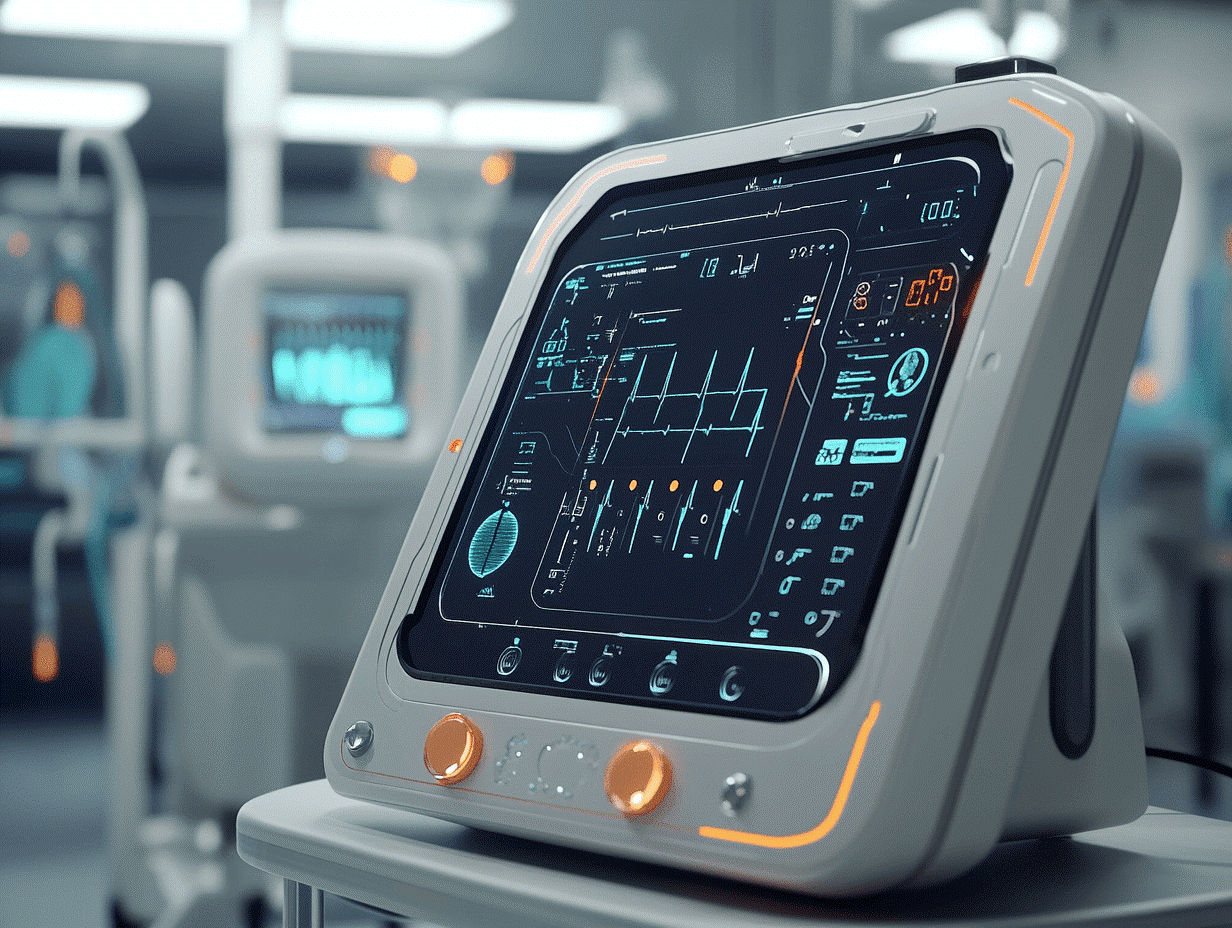
Medical software is the backbone of modern healthcare, supporting electronic health records (EHRs), diagnostic systems, imaging technologies and embedded software in medical devices like pacemakers and infusion pumps. Since the stakes are so high, compliance with regulatory requirements, software safety and risk management practices is critical to protect patient safety and uphold healthcare services.
Regulatory bodies like the FDA (U.S. Food and Drug Administration), ISO (International Organization for Standardization) and IEC (International Electrotechnical Commission) have developed stringent medical device software regulations to ensure software development process aligns with international safety and quality expectations.
This article explores key safety standards, best practices and challenges in medical device software development, helping software developers, engineers and medical device manufacturers to build reliable and compliant healthcare solutions.
Why Safety Standards Matter in Medical Device Software Development
Not following safety standards in health software can have severe consequences including patient harm, security breaches and legal or financial risks. A software failure in a diagnostic tool or therapeutic system can lead to misdiagnoses, incorrect treatments or serious injury that may require medical or surgical intervention. Poor software architecture or insufficient risk control measures can expose patient data violating HIPAA and GDPR. Non-compliance with medical device industry regulations can result to lawsuits, fines and product recall. Software malfunctions in embedded systems can disrupt critical healthcare services, affecting both traditional medical devices and software as a medical device (SaMD).
By following recognized software development life cycle (SDLC) processes and strict quality management system (QMS) standards, medical device manufacturers can reduce software failures, patient safety and compliance with regulatory requirements.
Key Safety Standards in Medical Device Software Development
1. IEC 62304 – Medical Device Software Life Cycle Processes
IEC 62304 is the primary international standard for medical device software development, outlining requirements for software safety classification, risk management and software development life cycle (SDLC). It mandates software safety classification (Class A, B or C), structured software development processes for design, verification and validation and risk management practices to identify and mitigate hazards. Compliance with IEC 62304 is required for medical device software approval in the U.S., Europe and other global markets.
2. ISO 14971 – Medical Device Risk Management
ISO 14971 is the standard for risk management in medical device development, including software. It requires comprehensive risk identification, classification and mitigation throughout the software life cycle. Risk control measures like fail-safes, redundancy mechanisms and automated error detection are essential to minimize the likelihood and impact of software failures. By incorporating ISO 14971 in software development planning, software developers can ensure medical software meets the highest safety standards.
3. FDA 21 CFR Part 820 – Quality System Regulation (QSR)
FDA enforces 21 CFR Part 820, requiring medical device manufacturers to establish a Quality Management System (QMS) that ensures complete documentation of software development process, design validation and verification, software traceability and post-market surveillance for ongoing risk management and compliance monitoring. Failure to comply with FDA regulations can result to market restrictions, recalls and regulatory penalties.
4. ISO 13485 – Quality Management System for Medical Devices
ISO 13485 defines quality management requirements for medical software and other medical devices, ensuring structured approach to software system testing and validation, compliance with regulatory documentation and traceability and continuous improvement processes for software safety and risk management practices.
5. HIPAA & GDPR – Data Privacy and Security in Medical Software
Since medical device software handles patient data, it must meet HIPAA requirements for data encryption, audit logs and secure access controls and GDPR requirements for data minimization, user consent and breach notification protocols.
Best Practices for Safe Medical Software Development
Risk-based approach is critical in medical software development. Conducting software risk management process assessment early in development phase helps identify potential hazards and implement risk control measures like fail-safe mechanisms and automated alerts. Techniques like Failure Mode and Effects Analysis (FMEA) helps categorize and mitigate risks so the software meets intended use and patient safety requirements.
Following secure software development practices is key to ensure software reliability. Static and dynamic code analysis can detect vulnerabilities while encryption and access control mechanisms protect sensitive patient data during storage and transmission. Input validation, error handling and continuous software validation safeguards against cyber threats.Full software system testing ensures medical software is functional and safe. Unit testing, integration testing and system testing must be done at every phase of development. Verification and validation (V&V) processes as per IEC 62304 ensures software meets its intended functionality. Simulating a real-world clinical environment can further improve software usability and reliability.
Software traceability and compliance is critical. Automated tools should be used to document software requirements, testing and validation processes so that every change is accounted for and meets regulatory standards. Version control and complete lifecycle documentation helps software developers ensure compliance with medical device regulations.
Cybersecurity is a growing concern in medical device software. Implementing a zero-trust security model reduces the risk of unauthorized access. Multi-factor authentication (MFA), role-based access control and regular penetration testing can greatly improve software safety and protect against emerging cyber threats.
Continuous monitoring and post-market surveillance is essential for software reliability. Real-time performance analytics can detect software failures while machine learning models can predict and mitigate potential risks before they impact patient safety. Compliance with post-market surveillance requirements ensures software updates and security patches are rolled out efficiently.
Conclusion
Safety in medical software design is topmost priority for software developers, healthcare providers and regulatory bodies. Following IEC 62304, ISO 14971 and FDA regulations minimizes risk and improves patient safety.
As technology evolves, medical device manufacturers must stay proactive in risk management, software validation and cybersecurity to develop safe, compliant and innovative healthcare solutions.
Media Info:
Organization: SCYTHE STUDIO
Phone: +48 797 285 339
Website: https://scythe-studio.com