Bojangles is advancing its digital strategy with the full-scale launch of Spanish-language AI ordering across all customer-facing platforms. In partnership with Hi Auto, a leader in AI voice automation for the quick-service restaurant industry, Bojangles has rolled out Spanish-speaking order takers in drive-thrus, in-store kiosks, and its mobile app. The move positions Bojangles among the first major QSR brands in the U.S. to deliver bilingual AI-powered ordering at scale.
This latest milestone builds on Bojangles’ initial partnership with Hi Auto in June 2023, when it debuted “Bo-Linda,” an AI voice assistant for the drive-thru. By expanding that solution to support Spanish, Bojangles is enhancing both service speed and inclusivity in a single move.
Improving Workflows and Empowering Staff
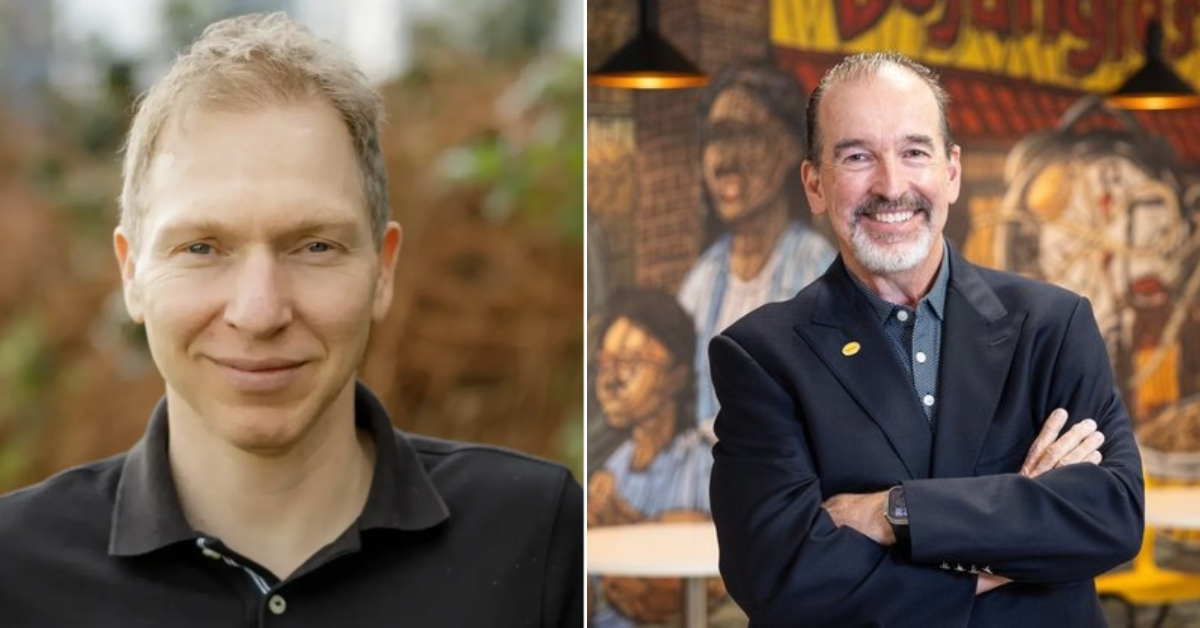
While the technology is designed to optimize the guest experience, it has also delivered surprising benefits for restaurant teams. “To me, the biggest thing, or the biggest surprise, has been the improvement of the employee experience,” said Richard Del Valle, Chief Information Officer at Bojangles. “If we can find ways to make their lives easier, which will then translate to a superior guest experience, that’s a home run for us.”
As the AI system handles the complexity of bilingual communication, team members experience fewer stressful interactions and smoother workflows during high-traffic hours. It’s a change that not only improves efficiency but also reinforces the brand’s commitment to its staff.
Meeting a Powerful Consumer Market Where They Are
The expansion into Spanish-language ordering aligns with broader economic trends. According to the 2025 Latino Donor Collaborative, Latino purchasing power in the U.S. has reached $4.1 trillion, a figure that underscores the community’s growing impact on national spending patterns.
By making AI ordering available in Spanish across all channels, Bojangles is responding to a clear market need. It’s a strategic move that reflects the importance of cultural fluency in guest service and recognizes the significance of the Hispanic community in shaping the future of the QSR industry.
Smart, Seamless, and Language-Aware
Hi Auto’s Spanish AI order taker gives Bojangles guests the flexibility to speak in English, Spanish, or even both within the same sentence. The system adapts in real time, offering a seamless and intuitive ordering process with a 96 percent accuracy rate and near-instant responses, ensuring a user-friendly experience for all customers.
Because Hi Auto’s technology relies on a hybrid architecture and an advanced customer understanding engine, the upgrade required no new hardware and only minimal adjustments to existing operations. “To best serve our communities, restaurants need solutions that speak to all customers, and the United States is the world’s second-largest Spanish-speaking country,” said Roy Baharav, CEO of Hi Auto. He adds that “partnerships like this represent a huge breakthrough for the country’s Spanish-speaking and bilingual communities.”
Technology That Enables Hospitality
Automation in quick-service restaurants is often associated with speed and cost savings, but Bojangles’ rollout shows how AI can also enhance the human side of service. By reducing language barriers and simplifying complex interactions, the technology frees up team members to focus on what matters most: delivering quality food and warm hospitality.
The Spanish-language upgrade doesn’t replace the role of the employee. Instead, it complements it, enabling staff to connect more meaningfully with guests and maintain the authentic experience that defines the Bojangles brand.
A New Era of Inclusive Automation
With nearly 1,000 drive-thru locations nationwide using Hi Auto’s technology, the Bojangles launch marks a new chapter in QSR automation. This isn’t just about deploying AI. It’s about deploying it thoughtfully and inclusively.
By launching Spanish-language ordering across all guest channels simultaneously, Bojangles is setting a new standard for multilingual service in the fast food industry. It’s a model for how innovation can be designed not only to improve operations but to reflect the real-world diversity of the customers it serves.