


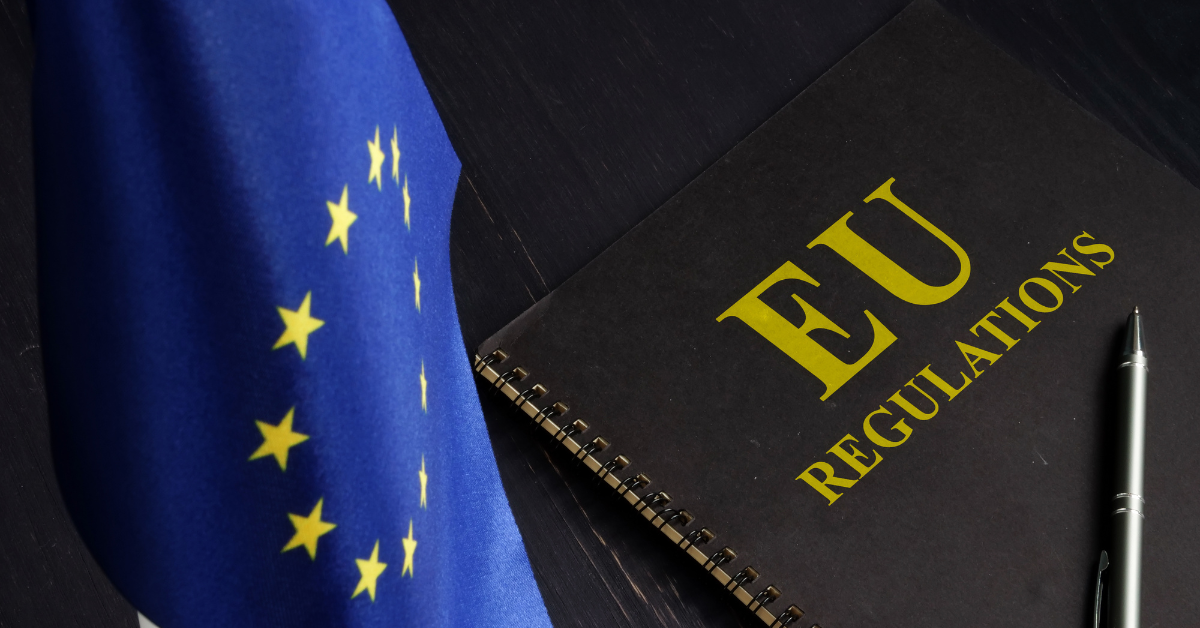
The European Union stands at a pivotal juncture as negotiators grapple with the finalization of groundbreaking artificial intelligence (AI) rules this week. Touted as the world’s inaugural comprehensive AI regulations, the EU’s AI Act is navigating treacherous waters, especially with the emergent challenges posed by generative AI. While hailed as a beacon for responsible AI development, the Act’s complexities are sparking debates and resistance, especially from major tech corporations wary of perceived overregulation.
Genesis of EU’s AI Act: From Vision to Complexity
Conceived in 2019, the AI Act was poised to be a trailblazing document in AI regulation, cementing the EU’s position as a global leader in tech governance. The Act’s primary focus was initially on product safety legislation, with a framework classifying AI systems based on four risk levels. However, the landscape dramatically shifted with the meteoric rise of generative AI, prompting EU lawmakers to broaden the Act’s scope.
Generative AI, exemplified by entities like OpenAI’s ChatGPT and Google’s Bard chatbot, introduced new dimensions to the AI landscape. The sudden chaos at OpenAI, particularly the management upheaval surrounding GPT-4, underlined governance challenges in dominant AI companies. European Commissioner Thierry Breton emphasized the importance of distinguishing between corporate interests and public welfare in the AI sector.
Complexities of Foundation Models: Regulatory Hurdles for EU Negotiators
The crux of the ongoing negotiations revolves around the regulation of foundation models, large language models trained on extensive internet datasets. These models, known for their versatility across diverse tasks, present a unique challenge for EU negotiators. The initial logic of the AI Act, based on assessing risks associated with specific use cases, clashes with the unpredictable applications of general-purpose AI systems.
OpenAI’s proposal for a U.S. or global agency to license powerful AI systems injected a new layer of oversight, addressing concerns about potential self-policing by AI companies. However, it also raised questions about the willingness of AI companies to comply with EU rules, with the suggestion of potential relocations.
Industry Perspectives: Varied Opinions and the Call for Global Collaboration
A diverse range of opinions permeates the AI industry, with Google’s Kent Walker advocating for a race for the best AI regulations rather than the first. The involvement of influential computer scientists through an open letter underscores the significance of maintaining the strength of the AI Act, considering it a pivotal moment in the history of AI regulation.
Surprisingly, France, Germany, and Italy have expressed resistance to government rules for AI systems, advocating for self-regulation. This unexpected stance is seen as a strategic move to support homegrown generative AI players and prevent U.S. dominance in the AI ecosystem.
In contrast, German AI company Aleph Alpha calls for a balanced approach, supporting the EU’s risk-based strategy. However, it emphasizes that this approach may not be directly applicable to foundation models, which demand more flexible and dynamic regulations.
Unresolved Issues and Implications: Facial Recognition, Surveillance, and Beyond
Several contentious points remain unresolved, including the proposal to entirely ban real-time public facial recognition. Countries seek exemptions for law enforcement purposes, but rights groups express concerns about potential surveillance implications.
As the EU’s three branches of government face one of their last chances to reach a deal, the fluidity of the ongoing conversation adds an air of uncertainty. Even if an agreement is reached, it must secure approval from the bloc’s 705 lawmakers by April, preceding EU-wide elections in June. Failure to meet this deadline could result in a deferment of the legislation until the following year, introducing the possibility of new EU leaders with potentially different perspectives on AI.
What This Means for AI Companies in the EU: Navigating New Waters
For AI companies operating within the EU, the evolving landscape of AI regulations carries significant implications. The inclusion of foundation models and the potential oversight by a regulatory agency signals a shift in the governance of powerful AI systems. The AI Act, if passed, would require companies to adhere to stringent guidelines and undergo licensing processes, introducing a layer of accountability.
The nuanced opinions within the industry also reflect the need for AI companies to be adaptive and responsive to regulatory changes. The resistance from major tech corporations emphasizes the importance of finding a delicate balance between fostering innovation and ensuring responsible AI development.
Adjusting to the New AI Regulations: Strategies for AI Companies
As the regulatory landscape transforms, AI companies can take proactive steps to adjust to the impending AI regulations:
- Embrace Transparency: Companies should prioritize transparency in their AI development processes. Providing clear documentation on the functioning of AI systems, especially foundation models, can build trust and facilitate regulatory compliance.
- Invest in Ethical Governance: Establishing robust ethical governance frameworks is crucial. AI companies should implement internal controls and mechanisms to ensure adherence to ethical standards in AI development and deployment.
- Collaborate with Regulators: Engaging in constructive dialogue with regulatory bodies can contribute to the development of effective and balanced regulations. AI companies should participate in discussions, providing industry insights and expertise.
- Diversify AI Applications: To mitigate regulatory risks, AI companies can diversify their applications. Exploring AI solutions across various sectors and use cases can reduce reliance on specific models and enhance adaptability to changing regulatory requirements.
- Invest in Research and Development: Staying at the forefront of AI research and development is vital. Companies should allocate resources to continually innovate and address emerging challenges, ensuring their AI technologies align with evolving regulatory standards.
Looking Ahead: The Global Impact of EU AI Regulations
The decisions made in the coming weeks will reverberate across the global tech landscape, influencing not only EU-based AI companies but also shaping the trajectory of AI development worldwide. The EU’s stance on AI regulations is poised to set a precedent, and companies globally will be monitoring the outcomes closely.
As the EU negotiators navigate the intricate details of the AI Act, the tech community anticipates a regulatory framework that strikes the right balance between encouraging innovation and safeguarding against potential risks. The journey toward responsible AI governance is a collective effort, with both regulators and AI companies playing pivotal roles in shaping the future of artificial intelligence.