


Written by Morgan Bright
From a primarily in-person sales environment to the digital-first shift driven by the pandemic, go-to-market strategies have been transformed forever. Emerging technologies like AI, alongside geopolitical tensions, are continuing to shape market dynamics in ways few could have predicted.
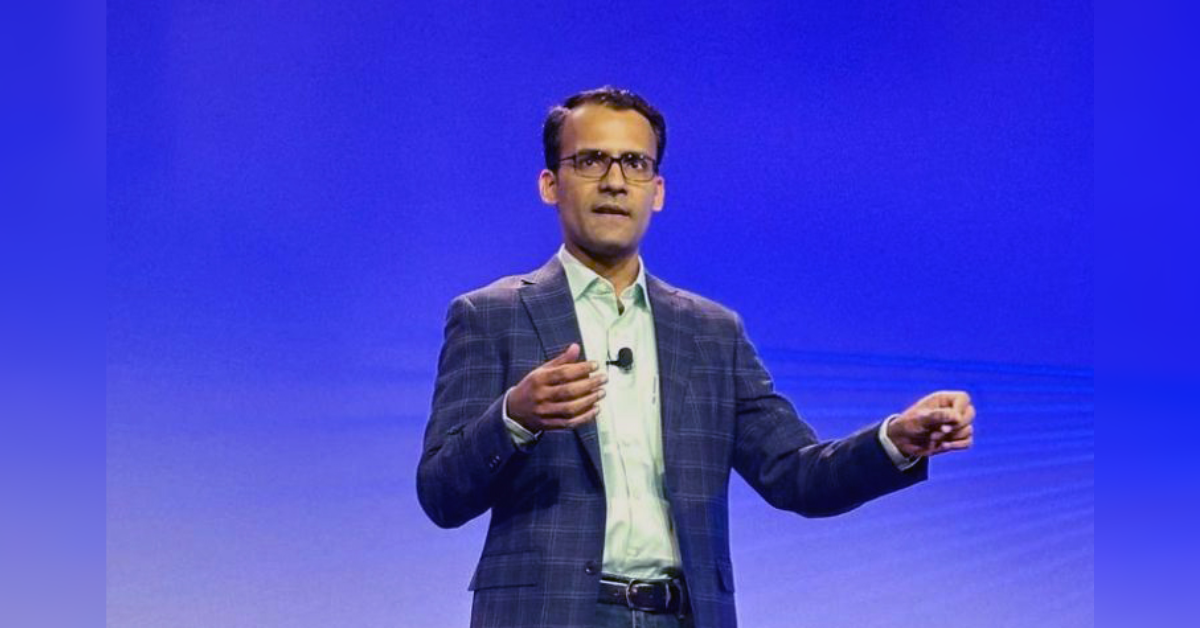
To better understand how these changes are impacting the B2B world and what lies ahead for the future of GTM, we sat down with Roshin Unnikrishnan, Senior Director of Growth and Revenue Operations at Cisco and former Engagement Manager at McKinsey & Company. With over a decade of experience across global markets, Roshin provides an expert perspective on the challenges and opportunities facing GTM leaders today.
Thank you for your time, Mr. Unnikrishnan. To start, what would you say is the current state of B2B GTM, and how did we get here?
Pre-pandemic, B2B GTM was very much driven by in-person interactions—whether through live demos or proofs of concept, the idea was that closing a deal required a handshake. That changed almost overnight with the pandemic. Travel suddenly came to a standstill, and companies had to transition almost overnight to video-conferencing and remote interactions. What could have taken a decade in gradual digital transformation happened in weeks. But businesses had to keep deals moving.
What followed was a huge surge in tech purchases. Everyone was rushing to upgrade their tech stacks, anticipating remote work as the norm, which compounded with supply chain disruptions, and created a massive tailwind for tech companies. But as restrictions eased, it became clear that pandemic-level demand wasn’t sustainable. Some firms quickly pivoted back to in-person interactions, realizing that face-to-face meetings still held significant value—especially when it came to closing high-stakes deals. That’s become a differentiator now.
What are some of the key challenges businesses are facing in the post-pandemic GTM landscape?
We’re in a very dynamic environment. One of the biggest changes we’re seeing is a lengthening of purchase cycles. Customers are taking their time with decision-making, and they now place a premium on live, in-person interactions. GTM teams need to exercise patience, take a long-term view of relationships, and be more deliberate in their commitments.
Additionally, multi-vendor strategies have become the norm. Customers want partners who can integrate multiple products and platforms and help them prove and maximize the value of their investments—the sentiment and pacing around AI has played a big role in this.
And finally, data security has moved to the top of the agenda—not just for IT teams, but at the board level. Customers want trusted partners who take security seriously from day one. And that trust has to be earned, not just in the initial pitch but by following through consistently with secure, effective solutions.
Zooming out to the bigger picture, with growing global competition—especially from China and Europe—how can the U.S. maintain leadership in B2B GTM?
Yes, the competition is absolutely heating up—AI and its hardware dependencies have made certain of that.
First, it’s critical to continue building products that solve real-world problems at scale, locally where possible. This requires ongoing investment in R&D at home, especially in areas like chip design and manufacturing. The CHIPS Act was a strong step in the right direction, supporting local semiconductor production and research. But we need to accelerate bringing these capabilities closer to home. Without foundational infrastructure like this, U.S. tech won’t be able to maintain its leadership position.
Second, U.S. companies need a much deeper understanding of local markets, especially as data restrictions and localization trends get traction. With more markets closing themselves off through regulatory frameworks, businesses that can respond swiftly to local needs will be the ones to retain their global relevance. The future of GTM will be increasingly regionalized, and we can’t afford to get locked out of emerging markets.
Lastly, AI will continue to be a major differentiator. AI can help companies get smarter about how they engage with customers and prioritize customers, and the U.S. shouldn’t let cooling sentiment distract from the several, still very effective spaces for application.
Looking ahead, what does the future of B2B GTM look like in your view?
AI is undoubtedly here to stay, and successful GTM teams will be those that effectively integrate AI-driven insights into their decision-making processes. We’re also going to see an increased focus on delivering value, and that will require ongoing innovation across product, marketing, and customer success. Customers want more than technology solutions that check their tech stack boxes—they want partnerships that see them through to a digital transformation.
Hybrid models will also be a major part of the future. While digital interactions will remain a core part of the GTM strategy, complex and high-value deals will still require in-person collaboration. In fact, I would say face-to-face interactions may become even more valuable, signaling a deeper commitment from both sides. Get in front of your customers.
Lastly, global competition—particularly from China and other Asian markets—will keep intensifying. For U.S. companies to stay competitive, they’ll need to be agile, invest in regional insights, and build local capabilities that allow them to respond quickly to customer needs at the market edge.
Forging the Future
As Roshin Unnikrishnan explains, the evolution of B2B GTM strategies reflects broader global trends. From AI-driven insights to geopolitical shifts, the environment is growing more complex, but also full of opportunity. Companies that prioritize customer trust, wisely leverage AI, and adapt to the nuances of local markets will the drivers of the future of GTM.