


New York Tech Media
  • News
  • FinTech
  • AI & Robotics
  • Cybersecurity
  • Startups & Leaders
  • Venture Capital
No Result
View All Result
  • News
  • FinTech
  • AI & Robotics
  • Cybersecurity
  • Startups & Leaders
  • Venture Capital
No Result
View All Result
New York Tech Media
No Result
View All Result
Home Benzinga

Margin of Safety: Warren Buffett’s Favorite Tool

James Brown by James Brown
February 21, 2025
in Benzinga
0
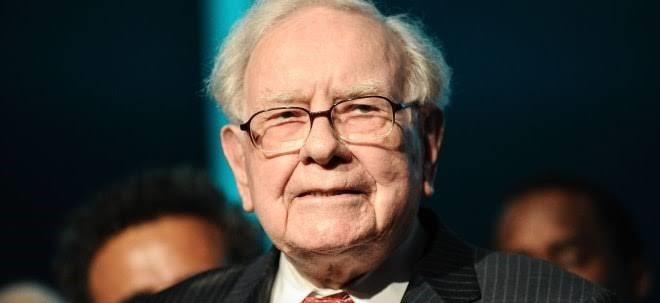
Margin of Safety: Warren Buffett’s Favorite Tool
Share on FacebookShare on Twitter

Investing can feel risky, especially when the stock market moves up and down. That’s why successful investors, like Warren Buffett, use the Margin of Safety to reduce risk. But what does that mean?

Buffett once said: “The three most important words in investing are margin of safety.” This simple idea helps investors avoid paying too much for a stock. It acts as a cushion in case things don’t go as planned.

This article will explain the Margin of Safety, how it works, and why Buffett relies on it.

What is the Margin of Safety and Why Does Buffett Love It?

The Margin of Safety is the gap between what a stock is worth (its intrinsic value) and the price you pay for it. The bigger the gap, the safer your investment.

Think of it like shopping for a car. If a car is worth $10,000 but you buy it for $7,000, you got a great deal. That $3,000 difference is your margin of safety.

Buffett uses this idea, but he doesn’t just look for cheap stocks. He looks for high-quality businesses with strong brands, good management, and steady profits. Then, he waits for their stock prices to fall below their true value before buying.

Why is the Margin of Safety important?

  • Reduces risk if you make a mistake in valuation.
  • Increases potential returns when the stock price rises to its real value.
  • Helps avoid overpaying when markets are too optimistic.

How to Use the Margin of Safety in Investing

Using the Margin of Safety is simple but requires careful analysis. Here’s how you can apply it:

  1. Find the stock’s intrinsic value – This can be done using methods like the Discounted Cash Flow (DCF) model or comparing Price-to-Earnings (P/E) ratios.
  2. Compare it to the current stock price – If the stock price is lower than its intrinsic value, it may have a good margin of safety.
  3. Decide on your margin of safety percentage – Some investors prefer a 20-30% margin, while others may look for a 50% discount to reduce risk even more.

How to Calculate Margin of Safety:

The Margin of Safety formula is easy to remember. Let’s say you believe a stock’s real value is $100, but it’s currently trading at $70. The margin of safety would be:

(100 – 70) / 100 = 30%

This means you have a 30% cushion in case your valuation is wrong or the market drops.

Buffett applied this idea when he invested in Coca-Cola in the late 1980s. He didn’t just buy because the stock was cheap, he bought because it was a strong brand selling below its worth.

Why a High Margin of Safety Alone Isn’t Enough

Many new investors make the mistake of only looking for cheap stocks. But not all cheap stocks are good investments.

A company might have a high margin of safety, but if its business is weak, the stock price may never recover. This is called a value trap.

Common Mistakes to Avoid:

  • Ignoring business quality – A weak company with falling sales might stay cheap forever.
  • Being too optimistic – If you overestimate a company’s value, your margin of safety is smaller than you think.
  • Ignoring long-term trends – Some industries are in decline (like print newspapers). Even with a big margin of safety, they may not be good investments.

Buffett avoids these mistakes by investing in strong businesses. He doesn’t just buy stocks because they’re cheap, he looks for companies with a competitive edge and stable profits. The Value Investor  is a great free resource for value investing.

Portfolio Strategy:

  • High Margin of Safety Stocks – These are deep-value plays with a discount of 30-50%.
  • Quality Compounders – Buffett’s favorites, like strong brands with 20-30% MOS.
  • Special Situations – Turnarounds and spinoffs that offer a higher MOS.

The key is to balance risk and reward. Just because a stock has a margin of safety doesn’t mean you should buy it. Always look at the big picture.

Applying the Margin of Safety in Your Portfolio

If you want to use the Margin of Safety, here’s how to do it wisely:

  • Be conservative with estimates – Assume companies won’t grow as fast as they claim.
  • Buy quality businesses – Avoid struggling companies, even if they look cheap.
  • Diversify smartly – Having a mix of stocks with a margin of safety reduces risk.

Conclusion: Never invest without a Margin of Safety

The Margin of Safety is one of Buffett’s most important investing principles. It protects investors from making mistakes and increases their chances of long-term success.

But remember:

  • A margin of safety is not just about price: the quality of the business matters too.
  • Patience is key: Buffett waits for the right price before buying.
  • Always do your own research: even the best investors make mistakes.

By applying the Margin of Safety, investors can reduce risk and invest with more confidence.

Previous Post

From Hyperinflation to Market Booms: How Inflation Impacts CS2 Skin Investments

Next Post

A Long-Awaited Victory for Cedar Rapids

James Brown

James Brown

Next Post
A Long-Awaited Victory for Cedar Rapids

A Long-Awaited Victory for Cedar Rapids

  • Trending
  • Comments
  • Latest
Meet the Top 10 K-Pop Artists Taking Over 2024

Meet the Top 10 K-Pop Artists Taking Over 2024

March 17, 2024
Clubhouse will soon let you pin links to the top of rooms

Clubhouse will soon let you pin links to the top of rooms

October 23, 2021
10 Raunchy Movies on Netflix You Won’t Regret Watching

10 Raunchy Movies on Netflix You Won’t Regret Watching

May 20, 2024
Panther for AWS allows security teams to monitor their AWS infrastructure in real-time

Many businesses lack a formal ransomware plan

March 29, 2022
Zach Mulcahey, 25 | Cover Story | Style Weekly

Zach Mulcahey, 25 | Cover Story | Style Weekly

March 29, 2022
How To Pitch The Investor: Ronen Menipaz, Founder of M51

How To Pitch The Investor: Ronen Menipaz, Founder of M51

March 29, 2022
Startups On Demand: renovai is the Netflix of Online Shopping

Startups On Demand: renovai is the Netflix of Online Shopping

2
Robot Company Offers $200K for Right to Use One Applicant’s Face and Voice ‘Forever’

Robot Company Offers $200K for Right to Use One Applicant’s Face and Voice ‘Forever’

1
Menashe Shani Accessibility High Tech on the low

Revolutionizing Accessibility: The Story of Purple Lens

1

Netgear announces a $1,500 Wi-Fi 6E mesh router

0
These apps let you customize Windows 11 to bring the taskbar back to life

These apps let you customize Windows 11 to bring the taskbar back to life

0
This bipedal robot uses propeller arms to slackline and skateboard

This bipedal robot uses propeller arms to slackline and skateboard

0
Kesewi works to a two-word standard: think simple.

One Concept, One Yes: The Studio That Stopped Offering Options

September 8, 2026
FINQ’s Autonomous Ranking Engine Produces 23.51% and 23.83% Since Inception as the S&P 500 Returns 11.61%

FINQ’s Autonomous Ranking Engine Produces 23.51% and 23.83% Since Inception as the S&P 500 Returns 11.61%

September 7, 2026
Blackstone Backs Huskeys With $27M Series A as Security Teams Struggle to Control the Modern Network Edge

Blackstone Backs Huskeys With $27M Series A as Security Teams Struggle to Control the Modern Network Edge

September 2, 2026
Deal Room and Playlist Agent

Walnut Extends AI Agents Across the Full Buyer Journey With Enterprise-Grade Platform Launch

September 2, 2026
man wearing glasses posing outdoors

AI Data Centers Have a Routing Problem. The People Fixing It Fit in a Small Room.

August 30, 2026
How to Create a Business Plan for a Small Business

How to Create a Business Plan for a Small Business

August 28, 2026

Recommended

Kesewi works to a two-word standard: think simple.

One Concept, One Yes: The Studio That Stopped Offering Options

September 8, 2026
FINQ’s Autonomous Ranking Engine Produces 23.51% and 23.83% Since Inception as the S&P 500 Returns 11.61%

FINQ’s Autonomous Ranking Engine Produces 23.51% and 23.83% Since Inception as the S&P 500 Returns 11.61%

September 7, 2026
Blackstone Backs Huskeys With $27M Series A as Security Teams Struggle to Control the Modern Network Edge

Blackstone Backs Huskeys With $27M Series A as Security Teams Struggle to Control the Modern Network Edge

September 2, 2026
Deal Room and Playlist Agent

Walnut Extends AI Agents Across the Full Buyer Journey With Enterprise-Grade Platform Launch

September 2, 2026

Categories

  • AI & Robotics
  • Benzinga
  • Cybersecurity
  • FinTech
  • New York Tech
  • News
  • Startups & Leaders
  • Venture Capital

Tags

AI AI QSRs AI security Allseated Automat-it AWS B2B marketing Business CISO CISO Whisperer Collaborations Companies To Watch Cybersecurity Enterprise AI Entrepreneur Fetcherr Finance FINQ Fintech Funding Announcement Hi Auto Impala Investing Investors investorsummit israelitech Leaders Mate Security Metaverse Mindset Minnesota omri hurwitz Perion PointFive PR QSR Real Estate start- up startupnation Startups Startups On Demand Tech Tech leaders Unlimited Robotics VC
  • Contact Us
  • Privacy Policy
  • Terms and conditions

© 2024 All Rights Reserved - New York Tech Media

No Result
View All Result
  • News
  • FinTech
  • AI & Robotics
  • Cybersecurity
  • Startups & Leaders
  • Venture Capital

© 2024 All Rights Reserved - New York Tech Media